

It SOUNDS Good...
The Devil's in the Details

Natural. Healthy diet. Balance. Soil health. Regenerative agriculture. Nutrient density.
These are all terms that sound good. In fact, they sound so good that many people assume everyone means the same thing when they use them. But in science, policy, medicine, and agriculture, the value of a concept depends not on how appealing it sounds, but on how clearly it can be defined, measured, and connected to meaningful outcomes.
That’s where the devil is in the details (and the denominator).
Setting this table
I recently attended a gathering focused on food systems, agriculture, sustainability, and human health. Throughout the discussions I was struck by how often participants relied on terms that sounded compelling but proved surprisingly difficult to define.
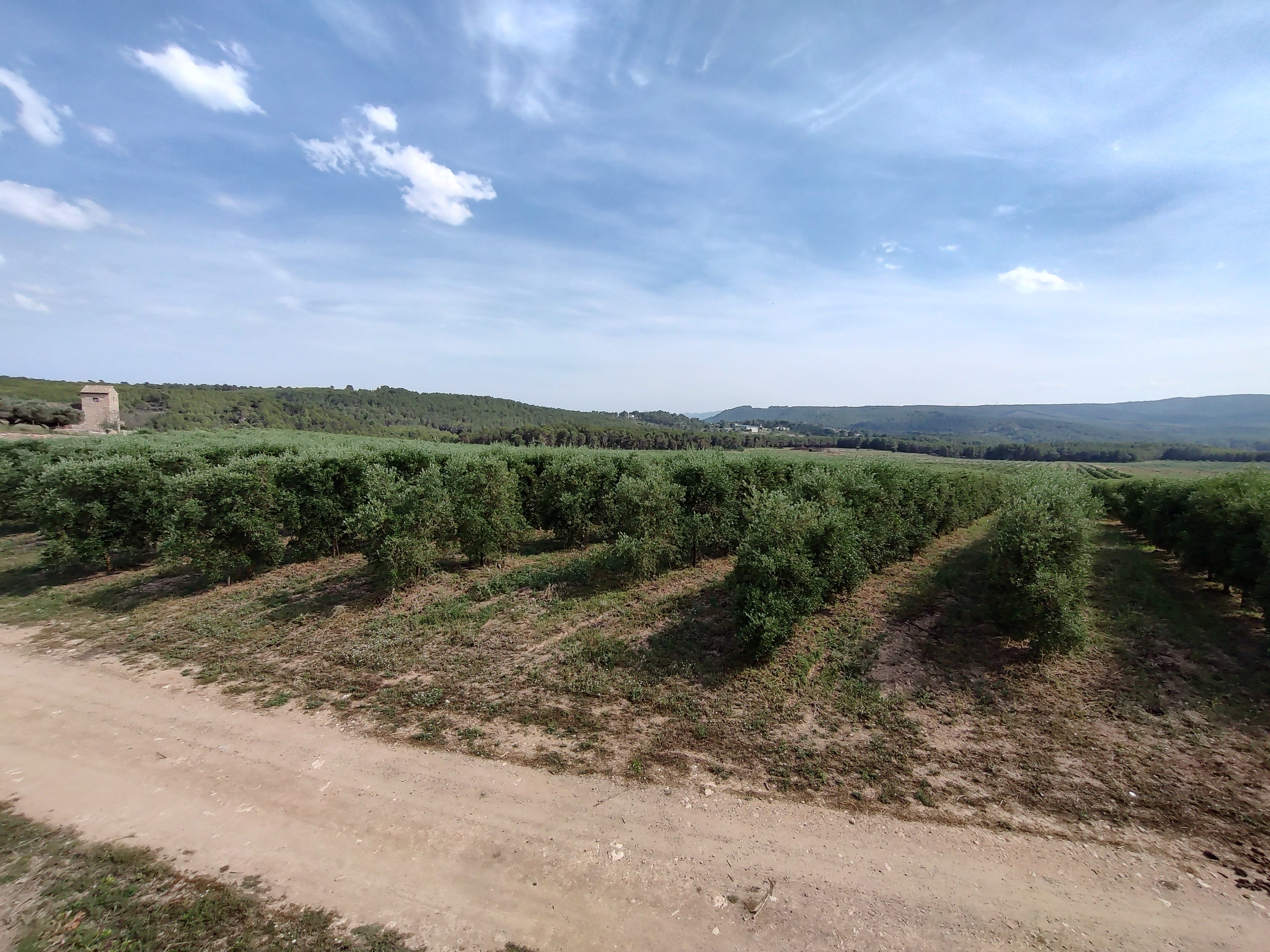
I listened to presentations on soil health, nutrient density, regenerative agriculture, and human health. During this gathering of investors, entrepreneurs, scientists, and food-system stakeholders I was struck by how often we rely on compelling but poorly-defined terms. Even “the Mediterranean diet” (which I’ve greatly enjoyed!) illustrates the problem. Does it mean the historical diets of Crete in the 1950s, contemporary Spain, southern Italy, a food-frequency questionnaire pattern, or a modern dietary prescription? The term sounds precise but often refers to several different things.
Agreement on a term is not the same as agreement on a definition. Agreement on a definition is not the same as agreement on a measurement. Agreement on a measurement is not the same as agreement on an outcome.
High-Valence
These terms function as what some communication scholars call “high-valence terms” or “motherhood-and-apple-pie concepts.” They’re words that evoke positive emotional responses and broad agreement while often lacking precise, operational definitions. High-valence terms can become coalition-building tools. Investors, researchers, farmers, policymakers, companies, and consumers may all rally around the same language while attaching different meanings, priorities, metrics, and desired outcomes to it. The resulting consensus can be broad but shallow, obscuring important disagreements that eventually resurface when decisions must be made or resources allocated.
Meaningful discussion requires moving from appealing narratives to operational definitions, measurable variables, and ultimately real-world outcomes. What appears to be broad agreement may actually conceal profound differences in definition and intent. Agreement on a term is not the same as agreement on a definition. Agreement on a definition is not the same as agreement on a measurement. Agreement on a measurement is not the same as agreement on an outcome. Scientific and policy discussions often fail when these distinctions are overlooked.
Definitions determine what we measure. Measurements determine what we reward. And what we reward ultimately shapes agricultural practices, food production, research priorities, investment decisions, and dietary guidance.
A Chain of Assumptions
Of all the terms discussed during the event, nutrient density particularly caught my attention because it sits at the center of the commonly proposed pathway linking agricultural practices to human health. The argument often proceeds as follows:
Regenerative agriculture produces healthy soils.
Healthy soils produce nutrient-dense foods.
Nutrient-dense foods improve human health.
Each link deserves examination. In this article, I want to focus on the third term in the chain—nutrient density—because it often serves as the bridge between agricultural practices and claims about human health. If the assumed health benefits are not well supported, the preceding links become vulnerable as well. Agricultural practices that may improve soil function, water cycling, biodiversity, resilience, or even food composition could be unfairly judged by whether they deliver health outcomes that were never adequately demonstrated in the first place. A weak link at the end of the chain can cast doubt on every link that came before it.
Definitions determine what we measure. Measurements determine what we reward. And what we reward ultimately shapes agricultural practices, food production, research priorities, investment decisions, and dietary guidance. If the terms are poorly defined, the measurements uncertain, or the relationships weak, we may be building far-reaching conclusions on a foundation of assumptions rather than evidence. Students of nutrition history will recognize the pattern.
Deconstructing Nutrient Density
Nutrient-dense foods sound like a good thing. But what does it actually mean? Nutrient density is not a direct measure of health outcomes, metabolic health, or nutritional adequacy. Rather, it is a constructed metric that embeds assumptions about which nutrients matter, how they should be weighted, and what dietary goals should be prioritized. Every nutrient-density metric contains a denominator. Nutrients per calorie. Nutrients per gram. Nutrients per serving. Change the denominator and you often change the rankings. What appears to be an objective measure of food quality may simply reflect a choice about what should count.1
Nutrient density and nutrient adequacy are not synonymous. Nutrient density evaluates nutrients relative to some denominator (typically calories, weight, or volume). Nutrient adequacy asks whether human nutritional requirements are actually met. Equally important is nutrient bioavailability—the proportion of nutrients that can actually be absorbed and utilized by the body. Two different foods can have similar protein contents while being significantly different in digestible indispensable amino acid contents. A food can score highly on a nutrient-density index yet contribute little to meeting requirements for highly bioavailable protein, vitamin B12, or other nutrients that are difficult to obtain from some dietary patterns. A food can be highly nutrient dense yet fail to contribute substantially to overall nutrient adequacy. A vitamin supplement may be extraordinarily nutrient dense without constituting a complete food.
The 2020–2025 Dietary Guidelines for Americans (DGA), for example, defined “nutrient-dense foods” as those that “provide vitamins, minerals, and other health-promoting components” with “no or little added sugars, saturated fat, and sodium.” They list vegetables, fruits, whole grains, seafood, eggs, beans/peas/lentils, nuts/seeds, fat-free and low-fat dairy, and lean meats and poultry when prepared with little added sugar, saturated fat, and sodium. Because this definition influences nutrition policy, food labeling, dietary guidance, and food-system discussions, its underlying assumptions deserve careful examination.
So the official definition does not merely mean “rich in essential nutrients.” It necessarily reflects policy judgments regarding which dietary characteristics should be rewarded or penalized—low saturated fat, low sodium, low added sugar, calorie-bounded, lean/low-fat forms. The metric is not neutral; it selects features based on a theory of what matters, then treats the resulting score as if it measures dietary quality itself.
The Short Stave
Like the shortest stave in a barrel limits its volume, the most limiting factor determines the outcome. If insulin resistance and chronic hyperinsulinemia are central drivers of obesity, type 2 diabetes, NAFLD, hypertension, cardiovascular disease, and other non-communicable diseases, then dietary quality cannot be assessed solely by micronutrient content. The metabolic response to foods may be as important as their nutrient composition. A food or dietary pattern may score highly on nutrient-density metrics while simultaneously promoting repeated glycemic excursions, chronic hyperinsulinemia, and metabolic dysfunction.
Against an insulin-resistance framework, the key question is not “Does this food contain micronutrients per calorie?” but “What does this dietary pattern do to insulin demand, glycemia, triglycerides, HDL, hepatic fat, blood pressure, inflammation, satiety, and medication dependence?” Reviews identify insulin resistance and compensatory hyperinsulinemia as central features in type 2 diabetes, hypertension, dyslipidemia, cardiovascular disease risk, NAFLD, inflammation, and some cancer-related pathways.
Evidence vs. Assumptions
Intervention evidence raises important questions regarding the assumptions embedded in most contemporary nutrient-density frameworks. In randomized or controlled feeding studies, carbohydrate reduction often improves metabolic syndrome features more than competing approaches. The implication: “nutrient dense” is a policy-defined nutrient-profile term, not a validated health-outcome term. It may be useful as a rough heuristic, but it becomes misleading when used to imply that low-fat, low-saturated-fat, dietary patterns are automatically health-promoting—especially for insulin-resistant people.
The outcomes we seek should shape the metrics we use—not the other way around.
What I’m NOT saying
Just to be clear, I am not saying that:
agricultural practices don’t impact soils and ecosystem function
soil and ecosystem function isn’t important
nutrient content of foods does not vary
nutrients aren’t important
proper nutrition isn’t fundamental to health
Take Home Point
Among the participants, there was at least some awareness of metabolic health. That is encouraging. What appeared less appreciated were the implications that follow from taking metabolic health seriously. If malnutrition-driven chronic disease is one of the greatest challenges facing modern societies, then it should influence how we think about food, agriculture, sustainability, nutrient density, and even the outcomes we seek from our food systems. I hope those conversations continue to develop.
If metabolic dysfunction is among the defining public-health challenges of our time, then it cannot remain a peripheral consideration in discussions of agriculture, food systems, sustainability, or nutrient density. The outcomes we seek should shape the metrics we use—not the other way around.
The conversations about nutrient density reminded me of Amber O’Hearn’s 2019 presentation, Measures of Dietary Quality. I highly recommend watching it if you’re interested in a deeper examination of dietary-quality metrics.
When it comes to human nutrition getting insulin down into the normal range and normalizing blood sugar comes first. I say that from a clinical perspective as a practicing physician. Metabolic disease is the norm now.
I tell my patients who are struggling with hypertension, diabetes and obesity and the other numerous manifestations of metabolic illness that the hot from the C-store in burgers without a bun found in many fast food restaurants are great for improving health. Eat readily available foods without carbohydrates and health continues to improve.
So in practice my patients of limited means are getting healthy eating or ordinary meat and eggs from the grocery stores.
My patients who are financially well off can enjoy supporting regenerative agriculture.
PS I use regenerative agricultural principles in my garden. The soil was amazingly fertile and I use 1/3 as much water as I used to.
PhD (he's not that kind of doctor) Ballerstedt examines how we unconsciously by using words that are poorly defined don't just create ambiguity in our wellness, but often create the opposite, detriment under the guise of good intent.